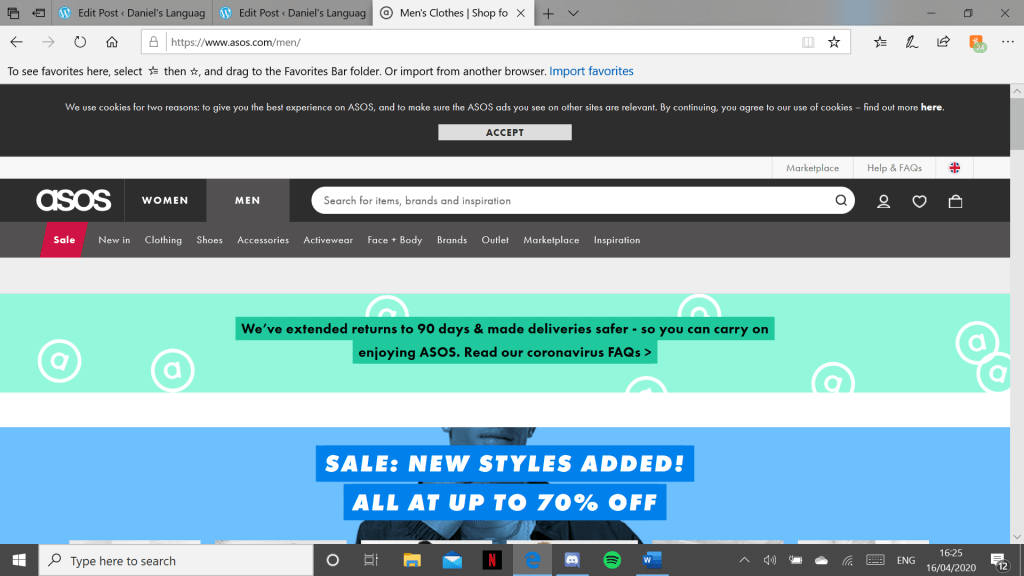
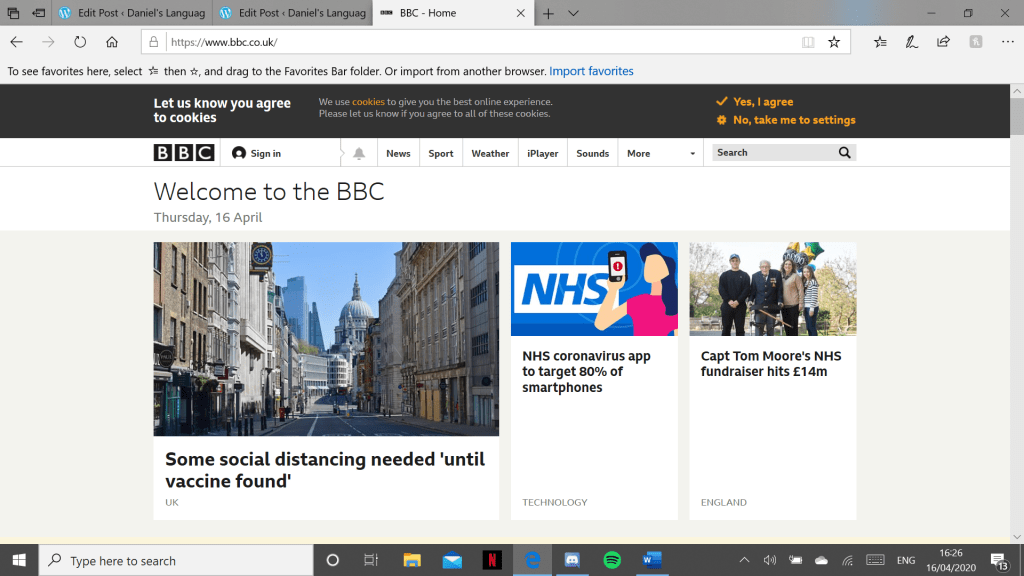
The internet is always taking information from us; it does this through cookies (and I don’t mean the delicious kind). Effectively, cookies are small pieces of data which websites take such as recording the user’s browsing activity. This is done in order to then sell the information to advertisers which allows google and other websites to send us personalized advertisements. I mean, I’m not going to buy pet food any time soon if I don’t own a pet however if I want some new shoes and they track my browsing activity, they would easily find this out and put relevant advertisements all over websites I allowed cookies for. Yep, we give the websites permission to sell our data however this is done through a pop up. Often it looks like this and is found at the top of the website:
Linking to this, the YouTuber “Mitchollow” made a very interesting video called “Is Google always listening: Live Test” about whether or not google is really ‘listening’ to our conversations. In this video, he talks about dog toys for around 2 minutes straight and afterwards heads onto a variety of websites to see if he’s advertised dog food.
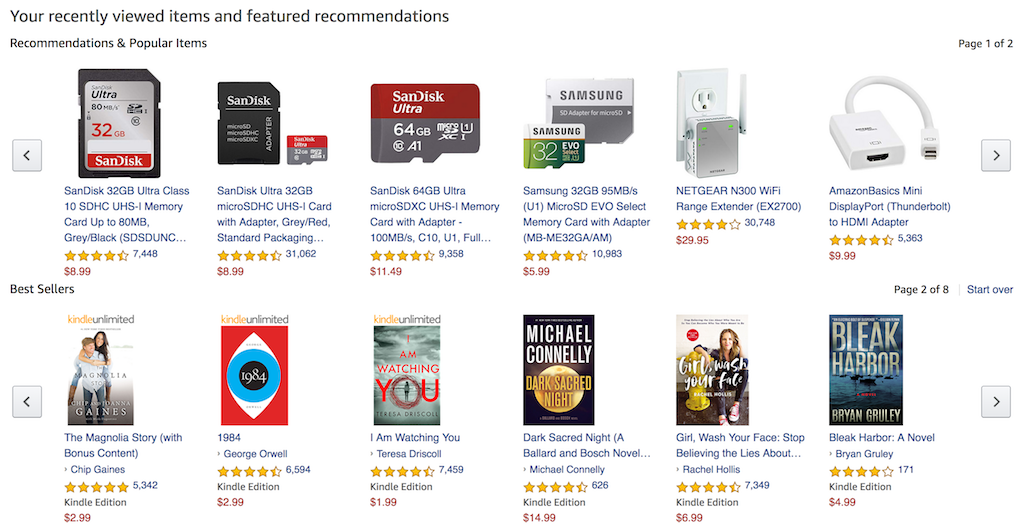
The results from the video were shocking to say the least. The majority of websites he visited showed advertisements of dog toys after speaking about the topic. This isn’t to say destroy any microphones on your laptop, but it really shows just how easily these websites get a hold of your data. There are several other examples of websites using our data such as advertisements coming up for items you’ve recently searched, shopped for or even bought or most commonly the recommender system on places like amazon, the explore page on Instagram, YouTube suggested videos, recommended shows or films on Netflix or even recommended Spotify playlists.

These are only a few examples of how the websites do this but almost every website or platform takes our data one way or another and once the internet has our data, it almost traps us in this bubble of our own preferred internet where it displays us the information and adverts that it thinks we want to see. This is called filtering. All filters are biased in some way or another since they create bubbles of information based on who we know, what we like and how we already think. Filters are ideal since we only see things we want to but they can also distort knowledge. In fact, due to filters, Google’s algorithm can often result in fake news. This is because it decides whether the information is popular and whether they think you’ll like it regardless of whether it’s true or not. This is far from trustworthy to say the least. If we want to fact check something, cross referencing other websites can be unreliable since those websites have also been pushed forward based on the algorithm and what Google thinks we want to hear. Ultimately, we decide information based on cognitive biases which isn’t necessarily a bad thing because having general opinions based on what’s good and what’s bad is important but when websites which we rely on for information such as Google and Facebook start showing us information that it thinks we want to see rather than the truth, then it can become a problem.
Almost all information we are presented with digitally is bias which we see through a filter. Just because information is biased doesn’t mean it’s wrong however it makes it harder to distinguish what’s real and what we want to believe is real. There are several different concepts that fall under a cognitive bias. Confirmation bias which is where the information supports what we already believe, recency bias where we show bias towards the last thing we heard, availability heuristic where we’re most likely to believe the information most readily available to us like things on the top of our news feed and lastly loss aversion bias (FOMO) which is the fear of missing out on certain information we consider important if it has a lot of currency in our social groups. This refers to the idea that we’re more likely to believe certain information since we don’t want to miss out on being accepted by our group.
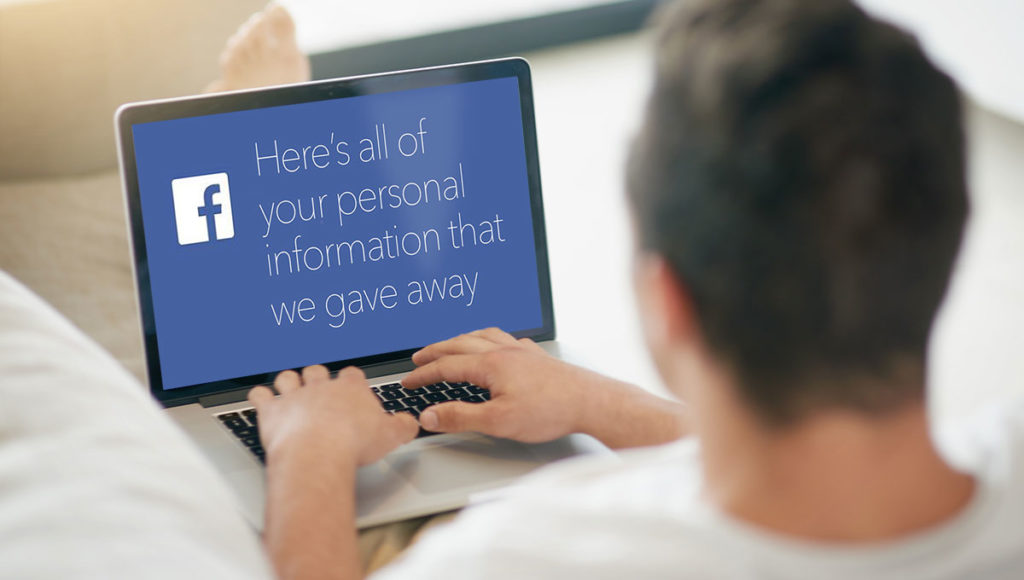
Ultimately, the internet sucks up information from us. The more things we look up over time, the more information we are giving to the internet. In a sense, we are the information that drives the economy of the internet. The more we give, the more they sell to advertisers. It all sounds like scary stuff but it really goes to show how important keeping our information safe is nowadays. Arguably, we are subconsciously becoming closer with the internet than we really would like.
 Daniel's Language and New Media Blog