One thing I’ve always looked over when scrolling through social media is the amount of different languages online. This is not something that everyone considers, especially since every piece of media we consume is in English. If we open any social media platform, our feeds are usually all in English and so that begs the question as to where Multilingualism come in to things with regards to social media. I was scrolling through Instagram earlier today and I realised that celebrities or accounts with followers from across the world often have a variety of comments under their photos in either the followers’ native languages, emoji’s or English. I then realised that this is a good example of where a large amount of multilingualism takes place. It’s very interesting seeing the wide variety of languages on social media and also made me think if there’s such thing as a dominant language.
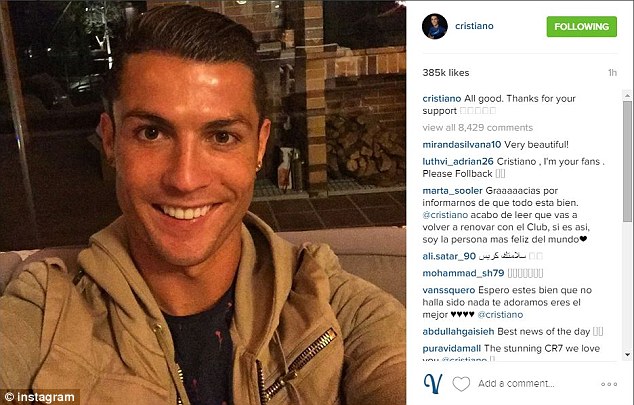
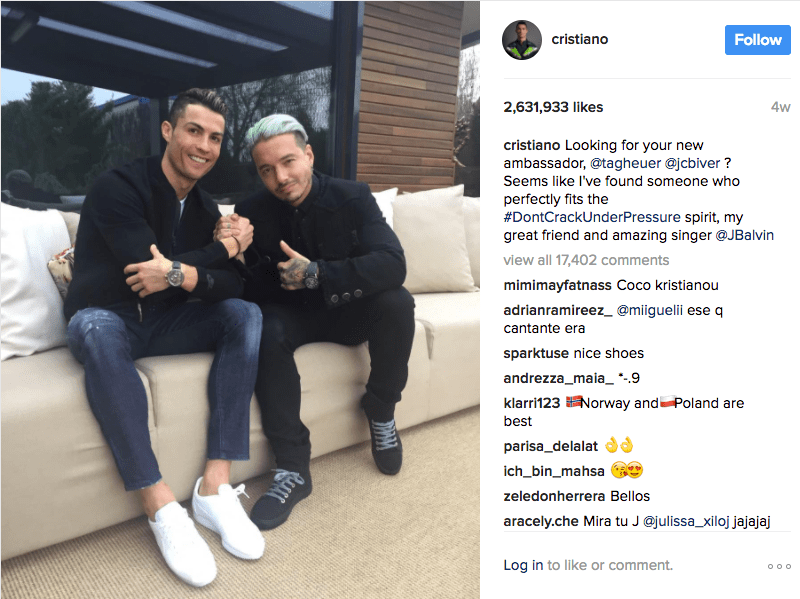

These are pictures taken from Cristiano Ronaldo’s Instagram feed. Since he’s a famous celebrity adored by fans all around the world, he’s a good example of where you can see multilingualism on the internet. One immediate thing to notice apart from the aesthetic photos, is the array of languages in the comments. Despite the variety of people from around the world, why is it that English is still used by international fans and even by Ronaldo himself even though he’s from Portugal. For example, in the comments of the first photo, the user ‘luthvi_adrian26’ uses the phrase “Cristiano, I’m your fans. Please Follback”, which suggests that some fans use English as it’s the most common and global language of communication even though their not fluent in it. Additionally, this could also be because Ronaldo himself writes his captions in English and so the fans are using it to build a sense of rapport with him by using the same language. For example, in the first post above, Ronaldo writes “All Good. Thanks for your support”. These concepts support the idea of English as the global language of communication however why is this the case?
Fishman actually regarded English as a “killer language” since ‘More than 80% of the content posted on the internet is in English’ and that ‘its expansive reach is undeniable and, for the time being, unstoppable’. Fishman made this observation in 1998 when the internet was starting to develop into what it is today. Therefore, in the past couple of decades it’s easily debatable that the internet welcomes much more multilingualism than back in 1998. For example, Crystal also makes the statement that ‘Not only does it [the web] offer a home to all linguistic styles within a language; it offers a home to all languages’ which supports the concept of the internet as a home for multilingualism with users from across the world. On top of this, English is considered the language of international communication, media, entertainment and the internet. It’s the official language of 53 countries and spoken by around 400 million people across the globe. Not only this but many of the world’s top films, books and music are published and produced in English. Furthermore, an estimated 565 million people use the internet every day, and an estimated 52 percent of the world’s most visited websites are displayed in the English language. The above reasons are ultimately why English is so dominant on the internet and in the world.
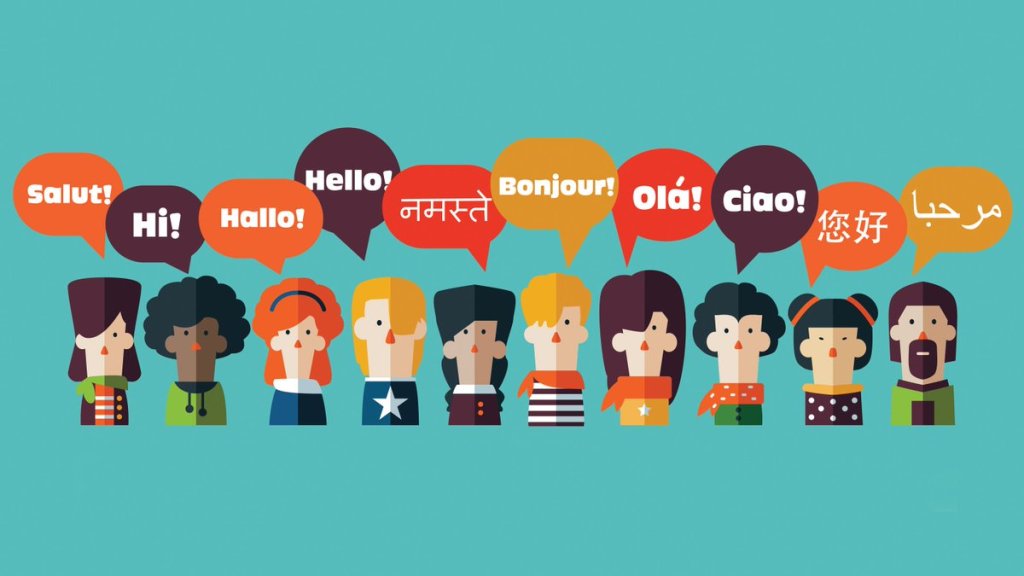
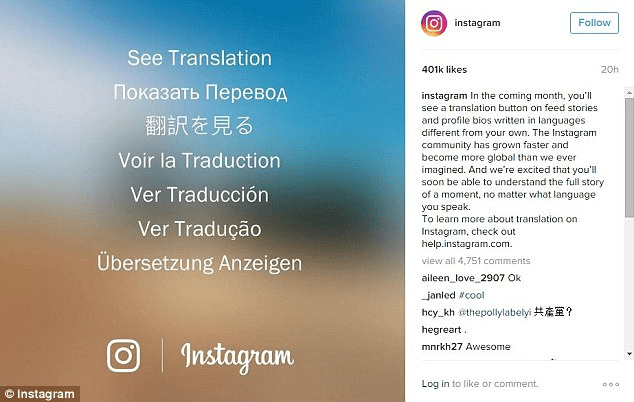
Despite this, not everyone feels obligated to use it suggested by the very wide diversity of different languages we see all over social media on Instagram, YouTube, Twitter etc… Additionally, we have lots of tools to help use communicate with others who speak different languages. On YouTube for example, there’s aspects like closed captions and on Instagram, the ‘See Translation’ text under posts which auto-translates the caption and comments into English or the language chosen by the user. Even on Wikipedia, there’s the option to change the language of the site. Features likes these really encourage multilingualism on the internet and helps us understand and communicate with others from around the world.
 Daniel's Language and New Media Blog
I found it interesting how dominant the English Language is globally, with the example of Ronaldo people take the time to comment in English even if it isnt their native language. I personally dont have instagram but i see similar comments on my Twitter feed where people try to speak English even though it isnt their first language, in some cases I have seen people who are looked up to in communities attempt to learn English as a way to communicate with their fans but luckily social media allows translations now. I wonder if any other language will match/overtake how common English is online.
LikeLiked by 1 person