Emoji’s (short for emoticons) have become some of the most used online characters in the past decade. In fact, the ‘Crying Laughing’ face was the ‘Oxford’s word of the year’ in 2015, which really emphasises how much Emoji’s have taken over texting and writing online, especially on socal media. I mean, it’s not even a word which goes to show just how popular they are with hundreds of millions of emoji users each day. Due to the amount that people use emoji’s it’s argued by some people that emoji’s are a language in it’s own way, but why exactly is this and why is it so popular?
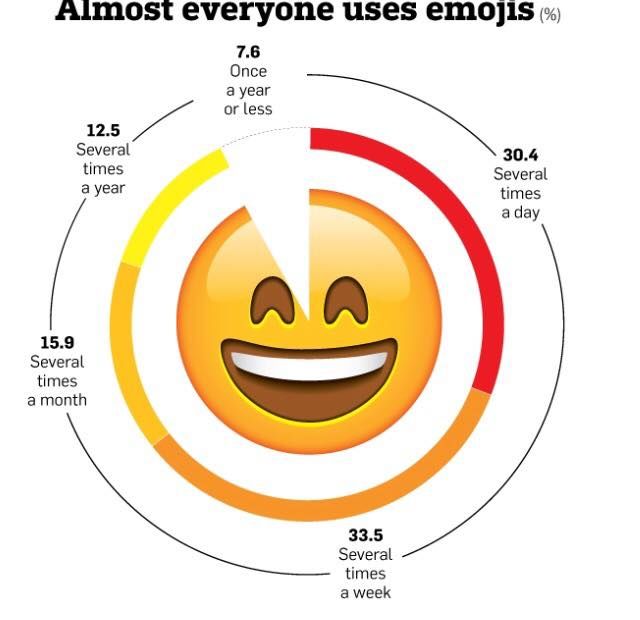
Well, the main reason, besides the fact that everyone else does it and a fear of standing out from the crowd, is because in face to face conversation, aspects like facial expressions, tone of voice and body language portray a ton of information whereas over message, these aspects are absent. This is where emojis come in since they allow us to portray a sort of virtual facial expression alongside our message. This can quite literally alter the whole context of a message.
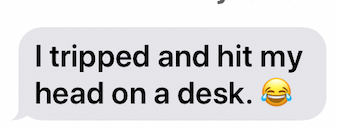
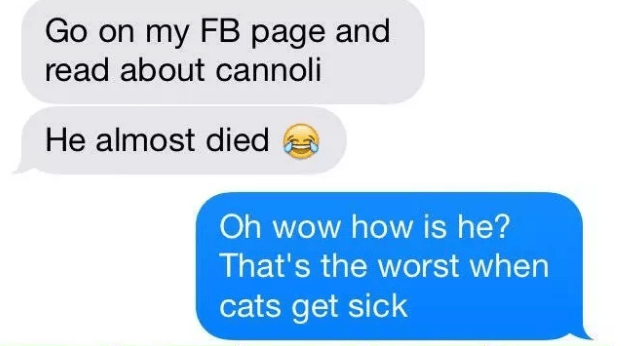
A couple of examples of this is seen above whereby the actual context of the sentence is serious however the emoji suggests that it’s not serious and sets a more joyful tone to the conversation. “I tripped and hit my head on a desk” by itself leaves the recipient wondering whether the tone of the conversation is happy and jovial or more serious. The use of the crying laughing emoji tells the person that it’s a joke which supports the intended meaning of the conversation. Furthermore, looking at the sentence “He almost died”, if there was no emoji here it would be perceived as serious however despite the use of an emoji, the morbidity of the topic is still very prominent which suggests that the emoji is used more to hedge the morbidity of the sentence.
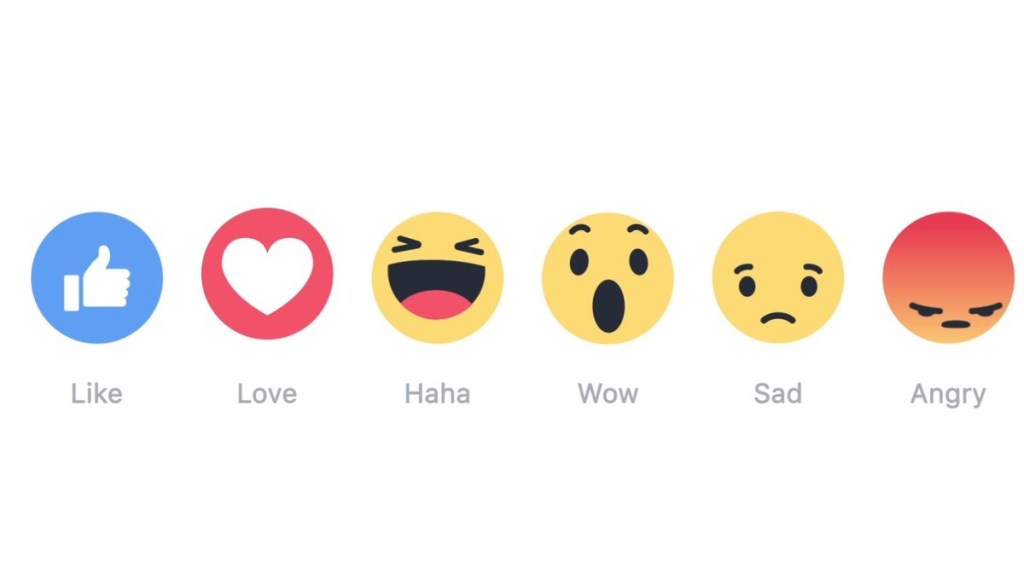
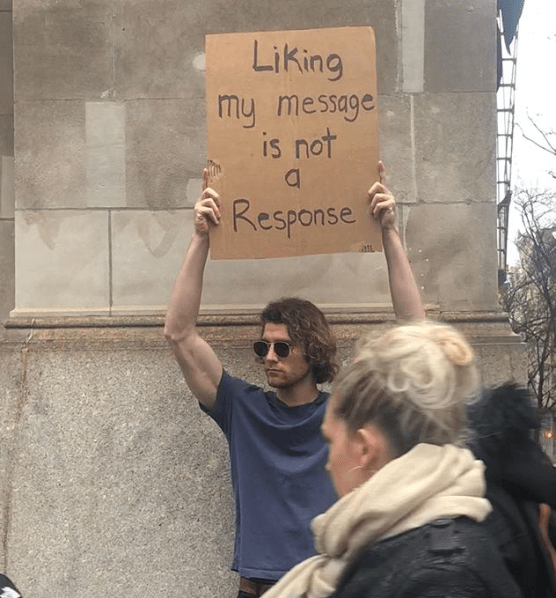
With regards to emoji usage on social media as opposed to texting, sites including Facebook, Twitter and Instagram encourage emoji usage with the ability to react to certain posts. In a sense, when scrolling through posts and thanks to feeds, people have become a lot lazier and might not feel the need to interact with posts, especially things like news articles that pop up on our facebook feeds however with the addition of reactions to these posts, it takes one click to like, love or laugh at something along with a variety of other ‘reactions. Even on a laptop or computer where there’s no emoji keyboard, people can still react to posts with these emoji’s (seen below) which also encourages emoji usage.
Usage of emoji’s definitely varies, dependant on the situation and the formality of the conversation. For instance, if one spoke with their manager over online messaging, emojis could be considered inappropriate and informal. When speaking with friends or even family on the other hand, most people often use emoji’s for the reasons above, but if the conversation topic is serious or if there’s conflict happening, emoji’s wouldn’t really be considered appropriate.
Ultimately, this begs the question of whether emoji’s by themselves can even be considered a language. Personally I believe that, even though some of the affordances of emoji’s like the fact that they convey a wide variety of messages and act as a form of virtual facial expression, they’re more useful to support the languages we already use and help provide a lot more context and intended meaning to sentences. Even though emojis are a great way to help us express ourselves through screens to others, there are also a variety of constraints. For example, if we react to messages with just emojis, it can be considered unsociable in the fact that this is lazy and someone wouldn’t really react with just a facial expression in real life. Additionally, emojis can cause miscommunication as the meaning of them can be interpreted differently from one person to another. Despite this, the popularity of emoji’s is only on the increase as online messaging and texting is become more and more prominent in the coming years.
 Daniel's Language and New Media Blog
Your suggestion that people use emojis because everyone else does, and they don’t want to stand out, is very interesting, especially combined with your point that the use of emojis is on the rise; Can this be said for all online communication? I’ve noticed that there is now a much bigger difference in emoji use on my Instagram feed compared to my Twitter feed, where emojis are already becoming outdated and people are returning to acronyms like LOL. Maybe this has something to do with different social networks and the audience you’re communicating to – Would love to hear your thoughts!
LikeLiked by 1 person
The use of emoticons is a very engaging topic to read about! I have realised that I put thought into my selection of emojis as they are likely to have specific connotations or intended meanings. The crying-laughing face is a permanent fixture on my frequently used emojis list as it can have several semantic denotations including hilarity, sarcasm or even mitigation. The link to Facebook’s ‘reaction’ feature reminded me that simply ‘liking’ a post will no longer suffice and I often feel compelled to adopt an alternative response. For a limited time in 2017, the ‘Pride Reaction’ of a rainbow flag appeared as an option only in particular locations and if users chose to like Facebook’s LGBTQ page; exposing its lack of inclusivity and accessibility in comparison to readily-available emojis!
LikeLiked by 1 person
After reading the post I find it really interesting about the ‘other’ meanings behind an emoji that you touched and potential misunderstandings behind it which makes me question have I given off wrong meanings through using emojis. As technology progresses I am beginning to believe that emojis are potentially becoming a new language well at least merging into our day to day language and wonder how influential this will be in the future.
LikeLiked by 1 person